


News Center
Recommending Products
Contact: Mr. Jin
Tel: 13901575780
0512-52428686
Contact: Mr. Zha
Tel: 13913639797
0512-52422071
Address: No. 59, Huyi Road, Liantang, Shanghu Town, Changshu City, Jiangsu Province.
What are the advantages of tungsten steel round fox milling cutter
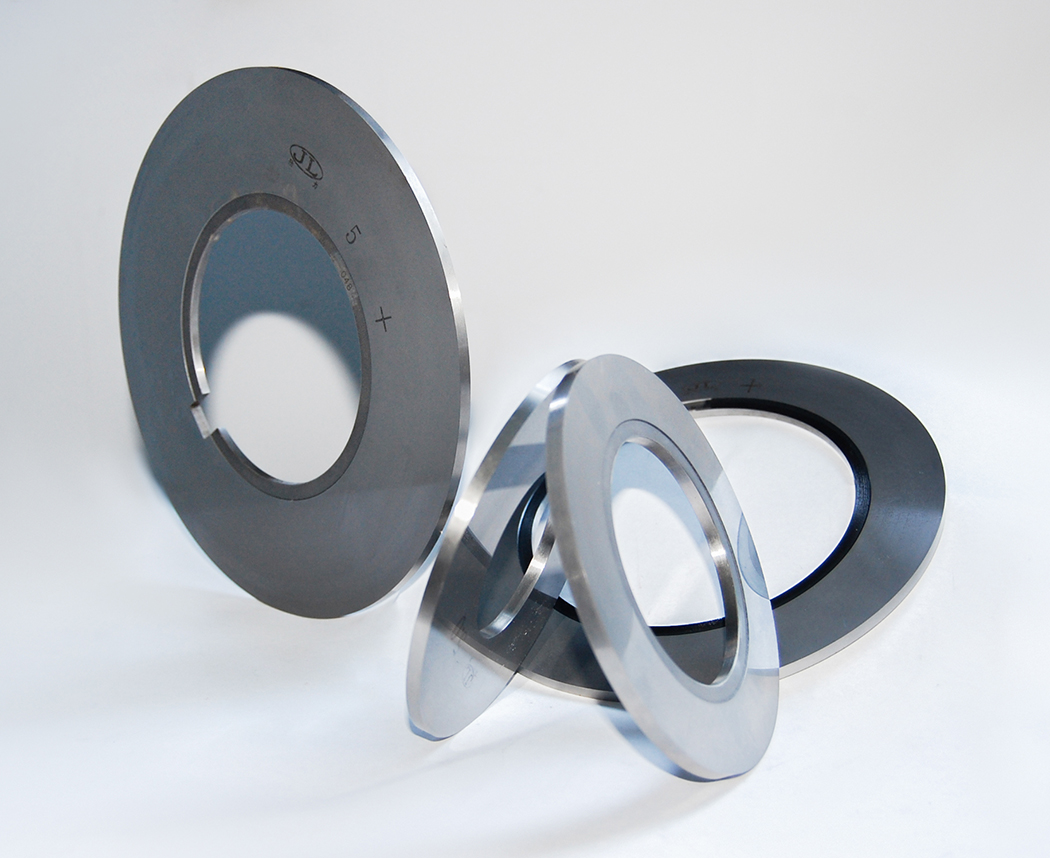
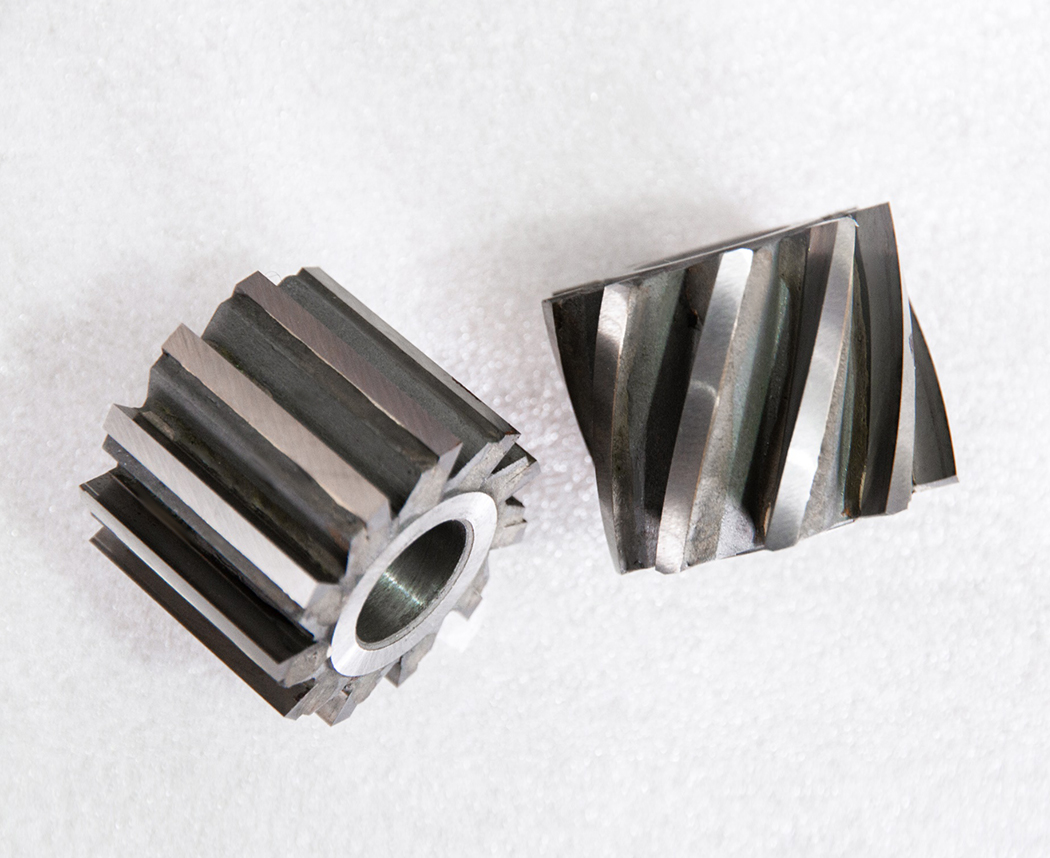
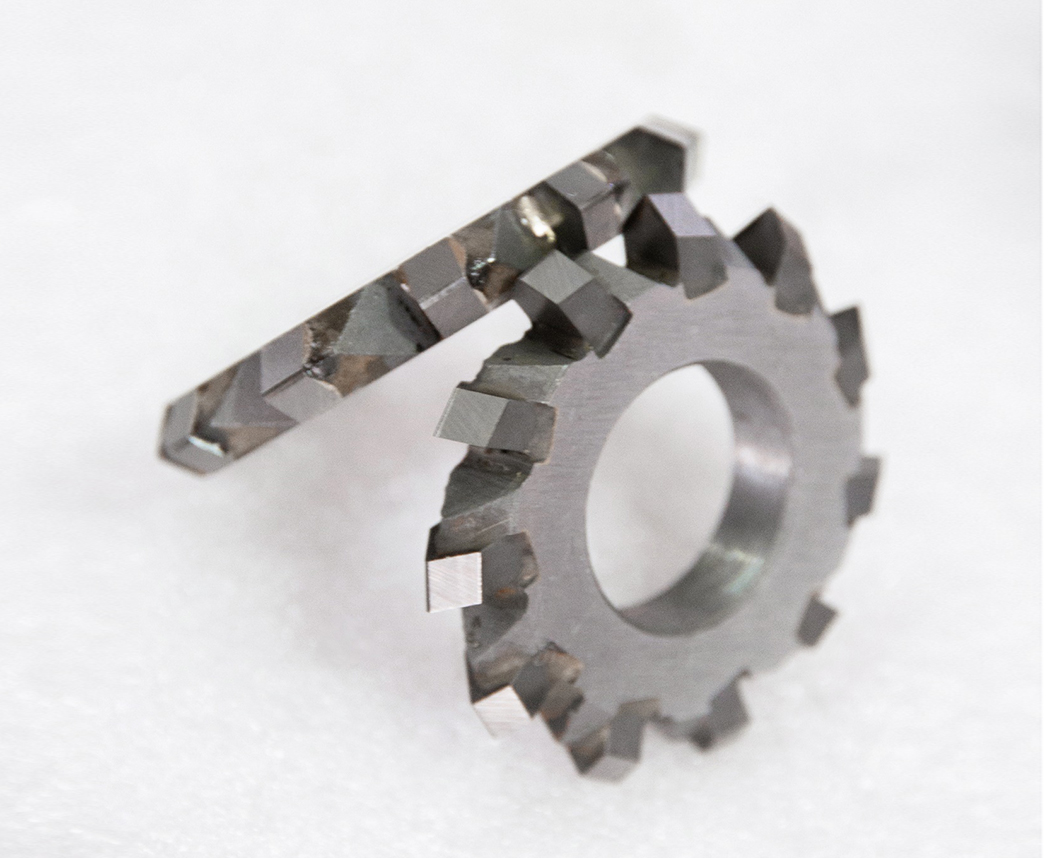
Tungsten steel arc milling cutter, also known as hard alloy arc milling cutter, is an integral precision cutting tool with ultra-fine grain hard alloy as the substrate and a fixed arc chamfer or arc edge shape on the cutting edge. It is a core cutting tool in modern precision machining, mold manufacturing, and hardware component processing fields. Compared with ordinary straight edge milling cutters and high-speed steel milling cutters, this type of tool combines the advantages of hard alloy substrates and the characteristics of circular arc blade structures, balancing machining accuracy, cutting stability, tool life, and workpiece forming quality. It can be adapted to precision machining, semi precision machining, and even light rough machining of various conventional and high hardness materials, meeting the cutting needs of high precision, high efficiency, and high stability. It is an ideal tool choice for improving machining quality, reducing production consumables costs, and optimizing machining processes.Sources:www.kmjjw.cn | PublishDate:2026.03.30
1、 Superior substrate performance, dual line of hardness and wear resistance
The overall tool is made of high-quality tungsten steel (hard alloy) substrate, relying on ultra-fine grain alloy preparation technology, with high hardness and excellent red hardness. The room temperature hardness can reach HRA90 or above. Even under high temperature conditions generated by high-speed cutting, the hardness of the cutting edge can still be maintained without deterioration, improving the wear resistance of the tool. Compared to traditional high-speed steel milling cutters, its service life is several times longer, and it can effectively perform continuous cutting on high hardness and strong abrasive materials such as quenched steel, mold steel, and stainless steel, greatly reducing edge wear and chipping problems during the cutting process, reducing tool change frequency, and ensuring the continuity of the machining process.
2、 Arc shaped blade design, with flawless forming accuracy
The cutting edge adopts a circular arc structure design, which has high precision in circular arc size, strict tolerance control, and strong consistency in blade shape. It does not require multiple tool changes, secondary polishing and other processes to complete the cutting and forming of complex structures such as workpiece R-angle, circular arc surface, transition fillet, and cavity contour in one go. It can not only meet the requirements of the workpiece design drawings, ensure the accuracy of the arc contour dimensions and form tolerances of the workpiece, but also avoid problems such as sharp edges, burrs, and contour deviations that occur in conventional tool processing, and adapt to the forming and processing needs of various precision molds, irregular parts, and curved workpieces.
3、 Uniform cutting force and good surface quality of the workpiece
The cutting force of the circular edge is smoother, which can effectively disperse the cutting stress during the cutting process, reduce tool vibration and workpiece extrusion deformation. With a smooth chip removal groove design, the chip removal is smooth and does not stick to the tool or scratch the surface of the workpiece. The processed workpiece has no vibration patterns, burrs, or scratches, with a low surface roughness and a standard smoothness. In most working conditions, polishing, grinding, and other post-processing can be directly omitted, simplifying the processing flow while improving the appearance texture and assembly adaptability of the workpiece, achieving high-precision mirror level and high smoothness processing effects.
4、 The rigidity of the cutting tool is sufficient, and the cutting stability is fully extended
The integrated tungsten steel structure has a much higher tool rigidity than welded, embedded, and ordinary high-speed steel tools. It has high bending strength and excellent impact resistance. In complex working conditions such as deep cavity machining, cantilever cutting, and intermittent cutting, it is not easy to encounter problems such as deflection, deformation, and tool breakage. At the same time, it can effectively suppress cutting vibration, ensure smooth and stable cutting process, continuously output high-precision machining effect, adapt to precision equipment such as CNC machining centers and precision carving machines, and meet the stable cutting needs of various complex working conditions.
5、 Widely adaptable and highly versatile for processing
This type of cutting tool is suitable for a wide range of materials and can stably cut various commonly used industrial materials such as mold steel, quenched steel, stainless steel, titanium alloy, cast iron, aluminum alloy, hard engineering plastics, etc; The processing scenarios are equally diverse, capable of completing flat milling, side root cleaning, contour contouring, chamfering and fillet processing, as well as processing various types of workpieces such as mold cavities, sliders, inserts, precision hardware parts, 3C components, automotive parts, etc., to achieve multi scenario processing with one tool, improve tool utilization, and reduce tool stocking types and costs.
6、 Significant cost reduction and efficiency improvement, suitable for industrial mass production
Relying on the characteristics of high wear resistance and long service life, the tool wear is slow and the replacement frequency is low. It can adapt to high-speed and high feed cutting parameters, greatly reducing the processing time of single workpieces and improving overall processing efficiency. At the same time, it reduces the auxiliary time for tool changing and machine adjustment, lowers the cost of tool consumables and labor, and has a high overall cost-effectiveness. And the tool size accuracy is unified, the wear law is controllable, which facilitates the standardized management of tools in the workshop, adapts to the production mode of automated production lines and batch precision machining, and helps enterprises improve production capacity and control comprehensive production costs.